Legal Documents Everyone Should Have Before A Dispute Arises
Key Takeaways
- Most Americans die without any formal estate plan in place, leaving loved ones to navigate costly probate battles and family disagreements
- A properly executed will is the foundation of any planning strategy, yet fewer adults have one today than did just three years ago
- Advance healthcare directives protect your medical wishes when you cannot speak for yourself, and studies show surrogates often guess incorrectly without them
- Powers of attorney for finances and healthcare prevent court-appointed guardianship and keep decision-making within your trusted circle
- Property deeds, titles, and beneficiary designations must be reviewed regularly because they often override what your will says
- Written contracts, employment agreements, and insurance policies form the first line of defense in business and personal disputes
- Storing originals securely and sharing locations with trusted individuals is just as critical as drafting the paperwork itself
Why Paperwork Matters Before Conflict Begins
Disputes rarely announce themselves. A sudden illness, a car accident, a business partner’s broken promise, or a family disagreement over an aging parent’s care can erupt without warning. One moment life is proceeding on its usual rhythm, and the next, you or someone you love is in a hospital bed, a courtroom, or a conference room across the table from an attorney. When these moments arrive, the people involved almost never have time to draft the paperwork they wish they had prepared years earlier. In the middle of a crisis, you are operating on adrenaline, grief, or fear — none of which are conditions conducive to careful legal decision-making.
The hard truth is that courts, hospitals, and financial institutions do not care about verbal promises or good intentions. They require signed, dated, and often notarized paperwork to act on your behalf. A doctor cannot share your medical status with your partner if there is no HIPAA authorization on file. A bank will not release funds to a sibling to pay your mortgage simply because they say you asked them to. A hospital’s ethics committee will not honor your spouse’s recollection of a bedside conversation about life support. Without the right paperwork, decisions get made by judges, state statutes, or distant relatives who may have no idea what you actually wanted — and whose values may be dramatically different from your own.
Consider how quickly things can unravel. A business owner who dies without a succession plan can leave employees jobless within weeks. A parent who becomes incapacitated without a healthcare directive can force adult children into bitter courtroom battles over treatment choices. A homeowner who never updated a beneficiary designation can accidentally leave property to an ex-spouse instead of current children. These are not rare, hypothetical scenarios — they happen every single day in probate courts, emergency rooms, and family mediations across the country.
Preparing in advance is not pessimistic. It is practical. The legal documents everyone should have in place are not just defensive tools; they are expressions of your values, your relationships, and your intentions. They tell the world who you trust, how you want to be treated, and what should happen to the things you have built. Personal legal protection is less about anticipating the worst and more about ensuring that the people you love are not left scrambling to interpret your wishes under pressure.
The hour or two you spend organizing the right paperwork today can save your family months of litigation, tens of thousands of dollars in legal fees and court costs, and the kind of emotional strain that fractures relationships permanently. Siblings who once vacationed together stop speaking. Spouses and in-laws end up on opposite sides of a courtroom. Children grow up hearing stories about the fight that tore the family apart. Nearly all of it is preventable with a modest investment of time, a few conversations with the people you trust, and the right documents signed and stored where they can actually be found when they are needed.
The Shocking State of American Estate Planning
The numbers tell a sobering story. According to Caring.com, only 24% of Americans reported having a will in 2025, a notable drop from 33% just three years earlier. This decline is happening despite greater awareness of estate planning and more digital tools designed to make the process easier.
The gap widens further when you look at broader planning. ACAdviser reports that roughly 67% of Americans die without a will or any estate plan at all, leaving their assets to be distributed under default state intestacy laws. These laws rarely match what the deceased person would have chosen. A long-term unmarried partner might receive nothing. A favorite charity gets skipped. Children from a previous marriage may be cut out entirely.
What Happens When You Have Nothing in Place
When someone dies without a will, the probate court takes control. A judge appoints an administrator, usually a close relative, who must inventory every asset, notify every creditor, and distribute whatever remains according to a formula written by legislators who never met your family. The process can stretch past a year, drain estate value through legal fees, and spark bitter disputes among heirs who feel shortchanged.
Essential Paperwork Every Adult Should Prepare

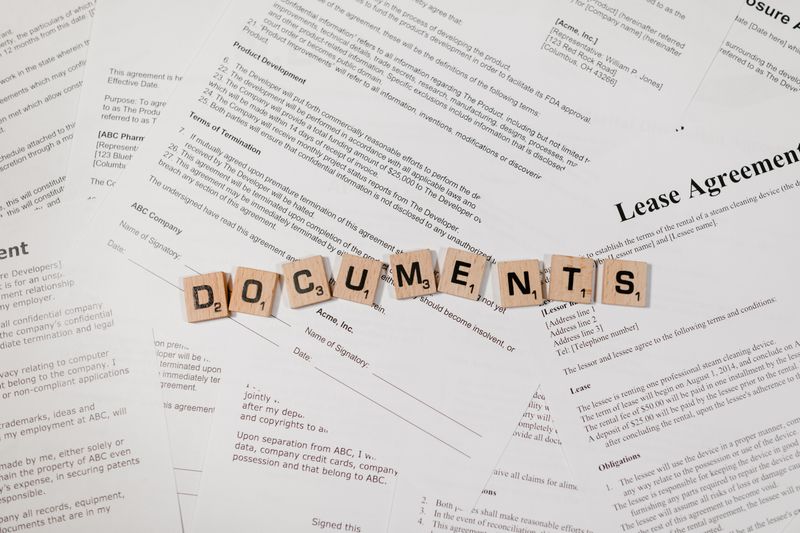
Building a solid foundation of personal legal protection starts with understanding which documents matter most. The core set is smaller than most people assume, but each piece serves a distinct and irreplaceable purpose. These are the legal documents everyone should have in place before a crisis forces the issue.
Here are the foundational items most adults need regardless of age or wealth level:
- A last will and testament naming an executor and specifying how assets should be distributed
- A durable power of attorney for finances allowing a trusted person to manage money and property
- A healthcare power of attorney naming someone to make medical decisions if you cannot
- An advance healthcare directive or living will stating your treatment preferences
- A HIPAA authorization permitting named individuals to access your medical records
- Updated beneficiary designations on retirement accounts, life insurance, and payable-on-death bank accounts
Each of these pieces works together. A will handles probate assets. Beneficiary designations handle retirement accounts and insurance payouts. Powers of attorney handle decisions while you are still alive but incapacitated. Missing any one of them creates a gap that courts or default rules will fill in ways you may not like.
Healthcare Directives and the Cost of Silence
Medical decisions deserve particular attention because they often arise suddenly and carry irreversible consequences. If you are unconscious after a stroke or in the late stages of a terminal illness, someone will make choices about your ventilator, feeding tube, or resuscitation. The only question is whether that someone follows your wishes or guesses.
Research published by Portfolio Pilot indicates that only about one in three American adults has formally documented their end-of-life medical wishes. That means two out of three people are leaving some of the most intimate decisions of their lives to chance, hoping a spouse or child will somehow intuit the right answer under extreme stress.
Guessing, it turns out, is unreliable. Arbor Legacy Lawyers reports that nearly one in three surrogate decision-makers guessed incorrectly about a loved one’s end-of-life treatment preferences. Those wrong guesses carry weight. They may lead to aggressive interventions a patient would have refused or, conversely, withdrawal of care the patient would have wanted continued.
Making Your Wishes Legally Binding
An advance directive removes the guesswork. It typically combines a living will, which spells out your treatment preferences in specific scenarios, with a healthcare power of attorney naming the person authorized to speak for you. Both components should be signed, witnessed according to your state’s rules, and distributed to your doctor, hospital, and designated agent.
Protecting What You Own From Future Fights
Beyond healthcare, physical and financial assets generate their own category of disputes. Real estate, vehicles, business interests, investment accounts, and valuable personal property can all become battlegrounds if ownership is unclear or paperwork is incomplete. A thoughtful approach to protecting your assets requires reviewing titles, deeds, and account registrations with the same care you would give to a will.
Common ownership structures each carry different legal implications. Joint tenancy with right of survivorship transfers automatically at death. Tenancy in common does not. Community property states treat marital assets differently than common law states. A deed that worked perfectly when you bought the house twenty years ago may create unexpected tax consequences or inheritance problems today.
Key records to gather and keep current include:
- Original deeds and titles for real estate, vehicles, and boats
- Trust documents and any amendments
- Stock certificates, bond records, and investment account statements
- Business formation documents, operating agreements, and buy-sell agreements
- Loan documents and promissory notes, both debts owed and debts you have extended
- Marriage certificates, divorce decrees, and prenuptial or postnuptial agreements
Contracts, Insurance, and the Written Word
Many disputes have nothing to do with death or incapacity. They arise from ordinary transactions where expectations diverge, and no one wrote down the original agreement. Written contracts solve this problem by freezing the terms in time. When memories fade, or motivations shift, the signed document speaks for itself.
Insurance policies deserve a similar level of attention. Homeowners, auto, umbrella, disability, and life insurance each cover specific risks and exclude others. Reading the actual policy, not just the summary, reveals coverage gaps that only become obvious after a claim is denied. Keeping declarations pages, endorsements, and claim correspondence in one accessible location can shave weeks off any future dispute.
Written agreements worth maintaining include:
- Employment contracts, offer letters, and severance agreements
- Independent contractor and consulting agreements
- Lease agreements for both residential and commercial property
- Service contracts with ongoing vendors
- Promissory notes documenting personal loans between family or friends
Where You Keep Paperwork Is Almost as Important as Having It

Drafting the right paperwork is only half the job. If no one can find the originals when they are needed, the effort was largely wasted. A will locked in a safe deposit box that only the deceased could access becomes a frustrating puzzle for grieving family members. A healthcare directive sitting in a filing cabinet at home does nothing for a patient already admitted to the emergency room.
Storage decisions should balance security with accessibility. Fireproof home safes work well for originals, provided a trusted person knows the combination. Attorney offices often hold originals for clients and release them to named executors upon death. Digital copies stored in encrypted cloud services add a backup layer, though most courts still require wet-ink originals for probate.
Who Needs to Know What You Have
Secrecy defeats the purpose. At minimum, your executor, healthcare agent, and financial power of attorney should know that the paperwork exists and where to find it. Many families benefit from a single master list that identifies each document, its location, and the professionals who helped prepare it. The list itself contains no sensitive details, so it can be shared more freely than the underlying records.
Consider sharing the following with your trusted contacts:
- The name and contact information of your estate planning attorney
- The location of original wills, trusts, and directives
- A list of financial institutions where you hold accounts
- Insurance carriers and policy numbers
- Login credentials or a password manager master key for digital accounts
Keeping Everything Current as Life Changes
Paperwork prepared a decade ago may no longer reflect your wishes, your family structure, or current law. Marriages, divorces, births, deaths, major purchases, business ventures, and interstate moves all trigger the need for review. A beneficiary designation naming an ex-spouse remains valid long after the divorce decree unless you actively change it, and courts routinely enforce these outdated designations against the obvious intent of the deceased.
A reasonable rhythm is a full review every three to five years, with targeted updates after any major life event. The review does not need to be exhaustive. Often it simply confirms that the named people are still the right ones, the assets listed still exist, and the chosen fiduciaries are still willing and able to serve.
Conclusion
Preparing paperwork before a dispute arises is one of the most undervalued forms of care a person can offer the people they love. It costs relatively little, takes relatively few hours, and spares survivors from the kind of chaos that outlives the original conflict. The alternative, leaving decisions to courts and strangers, consistently produces worse outcomes for everyone involved.
The documents outlined here are not reserved for the wealthy or the elderly. A twenty-five-year-old with a modest paycheck and a small apartment benefits from a healthcare directive just as much as a retiree with a complex estate. The specific contents differ, but the underlying principle holds: write it down, sign it properly, store it safely, and tell someone where to find it.
Start with one document this week. Add another next month. Within a year, you will have built a framework that quietly protects your choices, your assets, and your family long before anyone realizes they needed it. That quiet protection is the whole point.